Category: Բույսեր

  • Աստվածաշնչում հիշատակվող բույսերը

    Ա

    • Արմավենի Փյունիկյան (անգլ.՝ Phoenix, լատ.՝ Phoenix, ռուս.՝ Финиковая пальма)

    Բ

    Գ

    • Գարի (անգլ.՝ Barlay, լատ.՝ Hórdeum, ռուս.՝ Ячмень)
    • Գիհի (անգլ.՝ Juniper, լատ.՝ Juníperus, ռուս.՝ Можжевельник)

    Դ

    • Դդում (անգլ.՝ Melon, լատ.՝ Cucumis melo, ռուս.՝ Дыня)

    Ե

    • Եղեգ (անգլ.՝ Reed, լատ.՝ Phrágmites, ռուս.՝ Тростник)

    Զ

    • Զաֆրան (անգլ.՝ Crocus, լատ.՝ Crocus, ռուս.՝ Шафран)
    • Զմռնենի, Զմռսաբույս (անգլ.՝ Myrrh, լատ.՝ Commiphora myrrha, ռուս.՝ МирраКоммифора мирровая)
    • Զոպա (անգլ.՝ Hyssop, լատ.՝ Hyssopus officinalis, ռուս.՝ Иссоп)

    Է

    Ը

    Թ

    • Թզենի (անգլ.՝ Fig, լատ.՝ Fícus cárica, ռուս.՝ Инжир, Фига)

    Ժ

    • Ժանտաթզենի, Մոլաթզենի (անգլ.՝ Sycamore fig, լատ.՝ Fícus sycómorus, ռուս.՝ Сикомор)

    Ի

    Լ

    Խ

    • Խաղող
      • Սպիտակ քիշմիշ
    • Խնկեղեգ (անգլ.՝ Sweet flag, ռուս.՝ Аир, լատ.՝ Acorus cálamus)

    Ծ

    Կ

    • Կաղնի (անգլ.՝ Oak, լատ.՝ Quércus, ռուս.՝ Дуб)
    • Կտավատ, Վուշ (անգլ.՝ Linum, Flax, լատ.՝ Línum, ռուս.՝ Лен)

    Հ

    Ձ

    • Ձիթենի (անգլ.՝ Olive, լատ.՝ Olea, ռուս.՝ Олива)

    Ղ

    Ճ

    Մ

    • ՄամուխՄամխենի (անգլ.՝ Blackthorn, լատ.՝ Prúnus spinósa, Тёрн, Сли́ва колю́чая)
    • Մայրի լիբանանյան (անգլ.՝ Cedar of Lebanon, լատ.՝ Cedrus libani, ռուս.՝ Кедр ливанский)
    • Մանդրագոր, Մարդախոտ (անգլ.՝ Mandrake , լատ.՝ Mandragora, ռուս.՝ Мандрагора)

    Յ

    Ն

    Շ

    • Շուշան (անգլ.՝ Lily, լատ.՝ Lílium, ռուս.՝ Лилия)

    Ո

    • Ոսպ (անգլ.՝ Lentil, լատ.՝ Lens, ռուս.՝ Чечвица)

    Չ

    Պ

    Ջ

    Ռ

    Ս

    Վ

    Տ

    Ր

    Ց

    • Ցորեն (անգլ.՝ Wheat, լատ.՝ Tríticum, ռուս.՝ Пшеница)

    Ւ

    Փ

    Ք

    Օ

    Ֆ


    Л

    С

  • Բաղեղ Ալժիրյան

    Բաղեղ Ալժիրյանը (անգլ.՝ Algerian Ivy, Canarian Ivy,  ռուս.՝ Плющ алжирский, լատ.՝ Hedera algeriensis, Hedera canariensis) բաղեղի տեսակ է, որն աճում է Կանարյան կղզիներում և Հյուսիսային Աֆրիկայում:
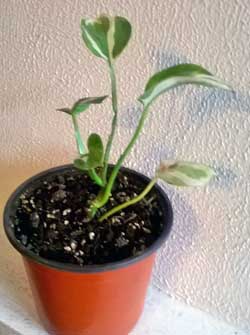
    Մշտադալար, մագլցող բույս է, որը հարմար հենարան գտնելու դեպքում բարձրանում է մինչև 20-30 մետր: Կարող է նաև տարածվել հողի մակերեսով:
    Որպես սենյակային բույս տարածված է Բաղեղ Ալժիրյանի խայտաբղետ տեսակը՝ Нedera canariensis Varиegata (Hedera algerinsis «Gloire de Marengo»):

    Աճեցման պայմանները

    Տեղը. Բաղեղ Ալժիրյանը, ինչպես բոլոր բաղեղները, ստվերադիմացկուն է, սական խայտաբղետ տեսակներին, գույները պահպանելու համար անհրաժեշտ է լավ, բայց ցրված լուսավորություն:
    Ջերմաստիճանը. Ամռան լավագույն ջերմաստիճանը մոտ +18C է, իսկ ձմռանը՝ +6 – +12 C. Չի վախենում միջանցքահովերից և ջերմաստիճանի կտրուկ փոփոխությունից:
    Ջրելը. Ամռանը ոռոգումը պետք է լինի առատ և պարբերական: Հողի լրիվ չորանալը, ինչպես նաև ջրախեղդ վիճակը ցանկալի վտանգավոր են: Ձմռանը, եթե բույսը մնում է տաք սենյակում, ջրում են նյուն հաճախականությամբ, իսկ եթե սենյակում ցածր ջերմաստիճան է, ջրում են քիչ, ըստ հողը լրիվ չչորանալու անհրաժեշտության:
    Օդի խոնավությունը. Օդի ջերմաստիճանը +20 C գերազանցելու դեպքում բույսը պետք է պարբերաբար ցողել սենյակային ջերմաստիճանի ջրով:
     Պարարտացումը. Գարնանը և ամռանը, ըստ բույսի վիճակի, կարելի է ամիսը 2-3 անգամ լրացուցիչ սնուցում անել: Ձմռանը՝ ամիսը 1 անգամ: Ավելորդ պարարտացումը վնասակար է, բաղեղի տերևները դեղնում են ու թափվում:
    Տեղափոխումը. Ծաղկամանից՝ ավելի մեծ ծաղկաման տեղափոխումը, ըստ անհրաժեշտության, կատարում են գարնանը: Ծաղկամանը գերադասելի է լինի լայն ու ոչ շատ խոր, քանի որ արմատները մակերեսային են:
    Հողը. Հողախառնուրդի նկատմամբ հատուկ պահանջներ չկան:
    Տես նաև Բաղեղ Սովորականի մասին հոդվածը ==>

    Հղումներ

    WP_20170223_008

  • Եղեսպակ

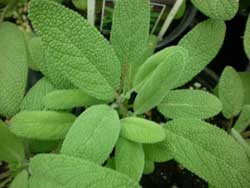
    Եղեսպակը (անգլ.՝ Sage, ռուս.՝ Шалфе́й, լատ.՝ Salvia) շրթնածաղկավորների (Lamiaceae) ընտանիքի բազմամյա խոտաբույսերի կամ կիսաթփերի ցեղ է։ Հայտնի է Եղեսպակի 700-ից ավելի տեսակ: Պարտեզներում և տանը՝ որպես սենյակային բույս ամենատարածվածը Եղեսպակ դեղատուն է (լատ.՝ Salvia officinalis):

    Եղեսպակի տեսակների մեծամասնության համար գերադասելի են թեթև, պարարտ, նորմալ թթվայնությամբ հողերը (5,5- 6,5 pH): Լավ կլինի տնկել պարտեզի լավ լուսավորված հատվածում: Հողը, որտեղ գարնանը պետք է տնկվի Եղեսպակ, հարստացնում են փտած գոմաղբով կամ կոմպոստով:
    Եղեսպակը իր տեղում կարող է աճել մինչև 8 տարի:
    Սերմերը լավ ծլողունակություն ունեն, ուստի կարելի է տաքերն ընկնելուն պես ցանել բաց գրունտում՝ առանց սածիլավորման, կամ խոր աշնանը՝ մինչև ձնածածկ:
    Սերմերը ցանում են մինչև 2 սմ խորությամբ, միմյանցից 20-30 սմ հեռու:
    Տնկելուց մեկ տարի անց Եղեսպակը էտելով նորացնում են (ճյուղերը կտրում են հողից 10 սմ բարձրության վրա):
    Եղեսպակը երաշտադիմացկուն է, սակայն խոնավությունն է ապահովում, որպեսզի տերևները հյութալի ու քնքուշ լինեն:
    Ջրում են լավ, բայց ոչ շատ հաճախ: Ջրախեղդ վիճակն անընդունելի է:
    Բերքահավաքն անում են ծաղկման շրջանում: Թարմ տերևները կարելի է ուտել կամ օգտագործել որպես թեյի հավելված ու ուտեստի համեմունք: Կարելի է նաև փնջեր կապել և չորացնել մութ, տաք, չոր ու լավ օդափոխվող տեղում:

    Ինչպես աճեցնել Եղեսպակը, որպես սենյակային բույս

    Որպես բազմամյա աճեցվում է միայն Եղեսպակ դեղատուն, իսկ մյուս, դեկորատիվ տեսակները ստիպված ենք ցանել ամեն տարի:
    Հասուն Եղեսպակի համար անհրաժեշտ է 1,5 լիտրից ոչ պակաս տարողությամբ ծաղկաման: Իսկ ցանել ու մինչև 6 ամիս պահել կարելի է փոքրիկ պլաստիկ կամ թղթյա բաժակների մեջ:
    Լավ խնամքի դեպքում, բազմամյա Եղեսպակը առնվազն 5 տարի կապրի ձեր պատուհանագոգին:

    • Ծաղկամանի հողը պետք է պարարտ լինի, իսկ ծաղկամանը ունենա լավ դրենաժ: Եթե ուզում եք օգտագործել պարտեզի հողը, ապա անպայման ախտազերծեք այն:
    • Ծաղկամանը կարող է լինել ցանկացած տիպի:
    • Ջրել ոչ շատ հաճախ, բայց առատ, որպեսզի հողակույտը ամբողջովին թրջվի:
    • Ցանելուց առաջ սերմերը կարելի է 24 ժամ խոնավացնել բամբակի կամ բամբակյա կտորի մեջ:
    • Եղեսպակը լավ է տանում կիսաստվերը, սակայն կորցնում է եթերայուղերը: Լավագույն պայմանն է երբ օրական 6-8 ժամ արևի լուսավորություն կա:
    • Եղեսպակը չի սիրում միջանցքահովեր:
    • Լավ կլինի ամիսը մեկ անգամ ցնցուղի տակ լվանալ Եղեսպակի թուփը:

    Եղեսպակը սենյակում աճեցնելը դժվար չէ, այն պահանջկոտ բույս չէ: Կարևոր է, որ ջրախեղդ չարվի, ջրվի ոչ շատ հաճախ, բայց առատ և լինի ցրված լույսի ներքո՝ ոչ Արևի ուղղակի ճառագայթների ներքո կեսօրին:
    Որպեսզի Եղեսպակտ լավ ճյուղավորվի, 40-50 օրը մեկ պետք է կտրատել ընձյուղները, սակայն օգոստոսին, ծաղկելուց առաջ էլ չկտրատել:

    Հղումներ
  • Ստվերախիտ տեղում աճող բույսեր

    Անվանումը Botanical Name Height Plant Characteristics and Notes USDA
    Zones
    Growing Requirements
    Benefits
    Photo
    Ալժիրյան բաղեղ (Algerian
    Ivy
    , Hedera canariensis, Алжирский плющ)
    Vining Plants Algerian Ivy’s glossy 4-8″ foliage and the vines
    ability to crawl, creep and climb just about anywhere makes this a
    great ground cover or privacy screen
    4-7 This plant grows best with full sun for most of the dayThis plant requires or will tolerate shade during the heat of the dayThis plant may not tolerate any direct sunlightThis plant will tolerate some drought, but benefits from periodic watering
    Some or all parts of this plant may be toxic or poisonous
    Աշնանային ձարխոտ (Autumn
    Fern
    , Dryopteris erythrosora, Осенний папоротник)
    15-24″ The fronds of the Autumn Fern begin to emerge in early
    spring as a copper to reddish color and mature to dark green by mid
    summer. In the fall months, Autumn Ferns once again change colors. They
    should be planted in evenly moist, compost
    rich
     soil
    and grown where they will receive partial to full shade.
    5-9 This plant requires or will tolerate shade during the heat of the dayThis plant may not tolerate any direct sunlightThis plant will tolerate some drought, but benefits from periodic wateringThis plant needs a thorough, deep weekly watering, Double icons require boggy or wet conditions A photograph is available
    Bears
    Breeches, Acanthus species
    3-4 ft. Bear’s Breeches are huge, mound forming perennials with
    dramatic, deeply cut, bright green leaves that can reach one foot wide
    and two feet long. From late spring until mid summer, they produce
    impressive, 2-3 foot tall spikes of hooded, white or light pink flowers.
    5-10 This plant requires shade during the heat of the dayThis plant may not tolerate any direct sunlightThis plant will tolerate some drought, but benefits from periodic wateringThis plant needs a thorough, deep weekly watering, Double icons require boggy or wet conditions
    No Deer
    White flowering plantPink flowering plant
    A photograph of Acanthus spinosus is available
    Բեգոնիա Ռեքս (Begonia
    Rex, Begonia rex-cultorum
    , Бегония Рекс)
    4-12″ The Rex or Painted-Leaf Begonias arerhizomatous,
    clump forming, tender perennials that are normally grown
    as house plants
    . Their leaves vary considerably in texture,
    size, shape, patterns and colors. The inconspicuous, small, pink or
    white flowers may appear at any time of the year
    10-12 This plant requires shade during the heat of the dayThis plant may not tolerate any direct sunlightThis plant will tolerate some drought, but benefits from periodic watering
    This can be grown as a House Plant
    White flowering plantPink flowering plant
    Begonia rex-cultorum
    (Black
    Mondo Grass
    , Ophiopogon planiscapus)
    6-12″ Black Mondo Grass grows as neat, slowly spreading, 4″
    tufts of ¼” wide, sweetly fragrant, straplike leaves. New foliage
    emerges dark green in spring then changes to dark purplish-black by
    summer.Loose spikes of small, light pink or white, bell shaped flowers
    appear in mid summer.
    5-9 This plant grows best with full sun for most of the dayThis plant requires or will tolerate shade during the heat of the dayThis plant may not tolerate any direct sunlightThis plant will tolerate some drought, but benefits from periodic watering
    No Deer
    White flowering plantPink flowering plant
    A photograph of Ophiopogon planiscapus is available
    (Bleeding
    Heart
    , Dicentra spectabilis)
    2-3 ft. Bleeding Heart is a mound forming plant with finely
    cut, fern-like foliage on graceful 2-3 foot arching stems topped with
    pretty, heart shaped, 1″ flowers in late spring or early summer.
    Excellent plants for any shade garden or woodland setting
    3-9 This plant requires or will tolerate shade during the heat of the dayThis plant may not tolerate any direct sunlightThis plant will tolerate some drought, but benefits from periodic wateringThis plant needs a thorough, deep weekly watering, Double icons require boggy or wet conditions
    Hummingbird PlantNo Deer
    White flowering plantRed flowering plantPink flowering plant
    A photograph of a Bleeding Heart plant is available
    (Blue
    Bugleweed
    , Ajuga genevensis, Живучка женевская)
    4-6″ Typical Ajuga with 8″ blue flowers in the Spring. Deer
    Resistant ground cover
    3-9 This plant grows best with full sun for most of the dayThis plant requires or will tolerate shade during the heat of the dayThis plant may not tolerate any direct sunlightThis plant will tolerate some drought, but benefits from periodic wateringThis plant needs a thorough, deep weekly watering, Double icons require boggy or wet conditions
    No Deer
    blue flowering plant
    A photograph of Ajuga genevensis is available
    Blue
    Corydalis
    , Corydalis flexuosa
    12-18″ Blue Corydalis is a slow growing, evergreen perennial
    that will eventually form a dense 18″ clump of elegant, 12″ tall,
    lace-like green foliage. Eighteen inch spikes of dangling, tubular, sky
    blue flowers will adorn the plant from late spring until fall in
    regions with cool summers
    5-9 This plant requires shade during the heat of the dayThis plant may not tolerate any direct sunlightThis plant needs a thorough, deep weekly watering, Double icons require boggy or wet conditionsThis plant needs a thorough, deep weekly watering, Double icons require boggy or wet conditions
    Hummingbird Plant
    blue flowering plant
    A photograph is available
    Brass
    Buttons
    , Leptinella squalida
    1-2″ The interesting feathery, fern like foliage of the New
    Zealand Brass Buttons may give the impression that it is a delicate
    plant, but in reality, it is a tough enough ground cover that it can
    take light foot traffic and is even used as a lawn substitute in many
    areas.
    5-9 This plant grows best with full sun for most of the dayThis plant requires or will tolerate shade during the heat of the dayThis plant may not tolerate any direct sunlightThis plant will tolerate some drought, but benefits from periodic wateringThis plant needs a thorough, deep weekly watering, Double icons require boggy or wet conditions
    Yellow flowering plant
    A photograph of Leptinella squalida is available
    Brazilian
    Plume Flower
    , Justicia carnea
    3-5 ft. The Brazilian Plume Flower is a shade loving, tropical
    evergreen perennial shrub with large deep green leaves.
    It produces a never ending show of large spikes of brightly colored,
    tubular flowers from spring to fall.
    9-10 This plant grows best with full sun for most of the dayThis plant requires or will tolerate shade during the heat of the dayThis plant may not tolerate any direct sunlightThis plant will tolerate some drought, but benefits from periodic wateringThis plant needs a thorough, deep weekly watering, Double icons require boggy or wet conditions
    HousePlant Icon
    White flowering plantRed flowering plantPink flowering plantYellow flowering plantPurple flowering plantorange flowering plant
    A photograph of a Brazilian Plume Flower is available
    Bugleweed, Ajuga reptens 4-6″ Ajuga grows well in full shade to full sun and
    tolerates a wide range of soil conditions as long as soil is well
    drained.
    3-9 This plant grows best with full sun for most of the dayThis plant requires or will tolerate shade during the heat of the dayThis plant may not tolerate any direct sunlightThis plant will tolerate some drought, but benefits from periodic wateringThis plant needs a thorough, deep weekly watering, Double icons require boggy or wet conditions
    blue flowering plant
    A photograph of Ajuga reptens is available
    Bunchberry, Cornus canadensis 4-6″ Bunchberry Dogwoods are probably the ultimate ground
    cover plants
     for
    growing in moist, woodland areas or in your shade
    garden
    . These short, bright green plants only reach six
    inches tall. They produce bright red berries that are eaten by many
    species of wild
    birds
    .
    3-8 This plant requires shade during the heat of the dayThis plant may not tolerate any direct sunlightThis plant will tolerate some drought, but benefits from periodic wateringThis plant needs a thorough, deep weekly watering, Double icons require boggy or wet conditions
    Bird Plant or Flower
    White flowering plant
    A photograph of Cornus canadensis
    Coastal
    Wood Fern
    , Dryopteris arguta
    18-24″ Coastal Wood Ferns can be grown in most average garden
    soils as long as it is well draining. They grow best in partial or full
    shade, but can be grown in full sun if they are kept moist.
    4-8 This plant grows best with full sun for most of the dayThis plant requires or will tolerate shade during the heat of the dayThis plant may not tolerate any direct sunlightThis plant will tolerate some drought, but benefits from periodic wateringThis plant needs a thorough, deep weekly watering, Double icons require boggy or wet conditions A photograph is available
    Black
    Mondo Grass, Ophiopogon planiscapus
    6-12″ Black Mondo Grass grows as neat, slowly spreading, 4″
    tufts of ¼” wide, sweetly fragrant, straplike leaves. New foliage
    emerges dark green in spring then changes to dark purplish-black by
    summer.Loose spikes of small, light pink or white, bell shaped flowers
    appear in mid summer.
    5-9 This plant grows best with full sun for most of the dayThis plant requires or will tolerate shade during the heat of the dayThis plant may not tolerate any direct sunlightThis plant will tolerate some drought, but benefits from periodic watering
    No Deer
    White flowering plantPink flowering plant
    A photograph of Ophiopogon planiscapus is available
    Bleeding
    Heart
    Dicentra spectabilis 2-3 ft. Bleeding Heart is a mound forming plant with finely
    cut, fern-like foliage on graceful 2-3 foot arching stems topped with
    pretty, heart shaped, 1″ flowers in late spring or early summer.
    Excellent plants for any shade garden or woodland setting
    3-9 This plant requires or will tolerate shade during the heat of the dayThis plant may not tolerate any direct sunlightThis plant will tolerate some drought, but benefits from periodic wateringThis plant needs a thorough, deep weekly watering, Double icons require boggy or wet conditions
    Hummingbird PlantNo Deer
    White flowering plantRed flowering plantPink flowering plant
    A photograph of a Bleeding Heart plant is available
    Blue
    Bugleweed
    Ajuga genevensis 4-6″ Typical Ajuga with 8″ blue flowers in the Spring. Deer
    Resistant ground cover
    3-9 This plant grows best with full sun for most of the dayThis plant requires or will tolerate shade during the heat of the dayThis plant may not tolerate any direct sunlightThis plant will tolerate some drought, but benefits from periodic wateringThis plant needs a thorough, deep weekly watering, Double icons require boggy or wet conditions
    No Deer
    blue flowering plant
    A photograph of Ajuga genevensis is available
    Blue
    Corydalis
    Corydalis flexuosa 12-18″ Blue Corydalis is a slow growing, evergreen perennial
    that will eventually form a dense 18″ clump of elegant, 12″ tall,
    lace-like green foliage. Eighteen inch spikes of dangling, tubular, sky
    blue flowers will adorn the plant from late spring until fall in
    regions with cool summers
    5-9 This plant requires shade during the heat of the dayThis plant may not tolerate any direct sunlightThis plant needs a thorough, deep weekly watering, Double icons require boggy or wet conditionsThis plant needs a thorough, deep weekly watering, Double icons require boggy or wet conditions
    Hummingbird Plant
    blue flowering plant
    A photograph is available
    Brass
    Buttons
    Leptinella squalida 1-2″ The interesting feathery, fern like foliage of the New
    Zealand Brass Buttons may give the impression that it is a delicate
    plant, but in reality, it is a tough enough ground cover that it can
    take light foot traffic and is even used as a lawn substitute in many
    areas.
    5-9 This plant grows best with full sun for most of the dayThis plant requires or will tolerate shade during the heat of the dayThis plant may not tolerate any direct sunlightThis plant will tolerate some drought, but benefits from periodic wateringThis plant needs a thorough, deep weekly watering, Double icons require boggy or wet conditions
    Yellow flowering plant
    A photograph of Leptinella squalida is available
    Brazilian
    Plume Flower
    Justicia carnea 3-5 ft. The Brazilian Plume Flower is a shade loving, tropical
    evergreen perennial shrub with large deep green leaves.
    It produces a never ending show of large spikes of brightly colored,
    tubular flowers from spring to fall.
    9-10 This plant grows best with full sun for most of the dayThis plant requires or will tolerate shade during the heat of the dayThis plant may not tolerate any direct sunlightThis plant will tolerate some drought, but benefits from periodic wateringThis plant needs a thorough, deep weekly watering, Double icons require boggy or wet conditions
    HousePlant Icon
    White flowering plantRed flowering plantPink flowering plantYellow flowering plantPurple flowering plantorange flowering plant
    A photograph of a Brazilian Plume Flower is available
    Bugleweed Ajuga reptens 4-6″ Ajuga grows well in full shade to full sun and
    tolerates a wide range of soil conditions as long as soil is well
    drained.
    3-9 This plant grows best with full sun for most of the dayThis plant requires or will tolerate shade during the heat of the dayThis plant may not tolerate any direct sunlightThis plant will tolerate some drought, but benefits from periodic wateringThis plant needs a thorough, deep weekly watering, Double icons require boggy or wet conditions
    blue flowering plant
    A photograph of Ajuga reptens is available
    Bunchberry Cornus canadensis 4-6″ Bunchberry Dogwoods are probably the ultimate ground
    cover plants
     for
    growing in moist, woodland areas or in your shade
    garden
    . These short, bright green plants only reach six
    inches tall. They produce bright red berries that are eaten by many
    species of wild
    birds
    .
    3-8 This plant requires shade during the heat of the dayThis plant may not tolerate any direct sunlightThis plant will tolerate some drought, but benefits from periodic wateringThis plant needs a thorough, deep weekly watering, Double icons require boggy or wet conditions
    Bird Plant or Flower
    White flowering plant
    A photograph of Cornus canadensis
    Coastal
    Wood Fern
    Dryopteris arguta 18-24″ Coastal Wood Ferns can be grown in most average garden
    soils as long as it is well draining. They grow best in partial or full
    shade, but can be grown in full sun if they are kept moist.
    4-8 This plant grows best with full sun for most of the dayThis plant requires or will tolerate shade during the heat of the dayThis plant may not tolerate any direct sunlightThis plant will tolerate some drought, but benefits from periodic wateringThis plant needs a thorough, deep weekly watering, Double icons require boggy or wet conditions A photograph is available
    Creeping Buttercup Ranunculus repans 9-12″ In many places, especially my gardens, Creeping
    Buttercups are considered to be a noxious and invasive weed! However,
    theymay have
    their place in a poorly drained, shady area of your garden. They have
    green, deeply cut, snowflake foliage and bright yellow flowers in
    spring.
    8-11 This plant grows best with full sun for most of the dayThis plant requires shade during the heat of the dayThis plant may not tolerate any direct sunlightThis plant will tolerate some drought, but benefits from periodic wateringThis plant needs a thorough, deep weekly watering, Double icons require boggy or wet conditionsThis plant needs a thorough, deep weekly watering, Double icons require boggy or wet conditions
    White flowering plantYellow flowering plant
    A photograph of Ranunculus repans is available
    Creeping
    Lily Turf
    Liriope spicata 8-10″ Creeping Lily Turf is a grass like ground cover that
    grows as spreading clumps of fine, dark green leaves that turn to
    bronze-green in the winter. Lily Turf produces spikes of tiny flowers
    in late summer, followed by dark blue berries in late fall.
    4-10 This plant requires or will tolerate shade during the heat of the dayThis plant may not tolerate any direct sunlightOnce established this plant requires little or no supplemental wateringThis plant will tolerate some drought, but benefits from periodic watering
    Bird Plant or Flower
    White flowering plantPurple flowering plant
    A photograph of Liriope spicata is available
    Deer
    Fern
    Blechnum spicant 18-24″ Deer Ferns resemble miniature Sword ferns but smaller
    with rounded fronds. They are drought tolerate but do best if kept damp
    5-8 This plant grows best with full sun for most of the dayThis plant requires or will tolerate shade during the heat of the dayThis plant may not tolerate any direct sunlightThis plant will tolerate some drought, but benefits from periodic wateringThis plant needs a thorough, deep weekly watering, Double icons require boggy or wet conditions
    No Deer
    A photograph of Blechnum spicant is available
    English
    Ivy
    Hedera helix Vining Plants Fast growing, hardy evergreen vine for shade or partial
    sun, good for screening, ground cover, erosion control
    4-7 This plant requires or will tolerate shade during the heat of the dayThis plant may not tolerate any direct sunlightThis plant will tolerate some drought, but benefits from periodic watering A photograph of Hedera helix is available
    Fairy
    Wings
    Epimedium 6-20″ Fairy Wings (Bishops Cap) will survive in one of the
    most difficult situations in the garden; the dry shade beneath a tree.
    4-8 This plant grows best with full sun for most of the dayThis plant requires or will tolerate shade during the heat of the dayThis plant may not tolerate any direct sunlightThis plant will tolerate some drought, but benefits from periodic wateringOnce established these plants require little supplemental watering
    White flowering plantRed flowering plantPink flowering plantYellow flowering plantPurple flowering plant
    A photograph is available
    False
    Aralia
    Schefflera elegantissima 4-6 ft. False Aralias are small, tropical evergreen trees that
    are native to the islands of the South Pacific. In their native
    environment,Schefflera elegantissima can
    grow up to 26 feet tall, but when grown in pots or planters they seldom
    reach more than 4-6 feet tall.
    10-12 This plant requires shade during the heat of the dayThis plant may not tolerate any direct sunlightThis plant will tolerate some drought, but benefits from periodic watering
    HousePlant IconNo Deer
    Yellow flowering plantGreen flowering plant
    A False Aralia Plant, Schefflera elegantissima
    False
    Spirea
    Astilbe chinensis 6-24″ The fern like foliage and the showy plume flowers of
    False Spirea make them a favorite summer flowering perennial.
    6 This plant requires or will tolerate shade during the heat of the dayThis plant may not tolerate any direct sunlightThis plant will tolerate some drought, but benefits from periodic wateringThis plant needs a thorough, deep weekly watering, Double icons require boggy or wet conditions
    White flowering plantPink flowering plant
    A photograph is available
    Fatshedera Fatshedera lizei Vining Plants Fatshedera is a hardy evergreen, non climbing vine that
    is the result of the cross between Fatsia
    japonica
     and
    Hedera helix. Fatshedera tends to grow upwards a few feet before
    falling and creeping across the ground
    8-11 This plant requires or will tolerate shade during the heat of the dayThis plant may not tolerate any direct sunlightThis plant will tolerate some drought, but benefits from periodic watering
    White flowering plant
    Fleabane Erigeron glaucus 6″-10″ Clump forming, small spoon shaped leaves; Daisy-like
    pink flowers
    3-10 This plant grows best with full sun for most of the dayThis plant requires or will tolerate shade during the heat of the dayThis plant will tolerate some drought, but benefits from periodic wateringThis plant needs a thorough, deep weekly watering, Double icons require boggy or wet conditions
    White flowering plantPink flowering plant
    Foamflower Tiarella cordifolia 6-10″ Foamflowers are easy to grow, perennial wildflowers
    that form 6″-10″ tall clumps of heart shaped leaves. They quickly
    spread to form nice two foot patches of this shade
    loving groundcover
    . Tiarella produce whispy plumes of creamy
    white or pale pink, ¼” star shaped flowers.
    3-8 This plant requires shade during the heat of the dayThis plant may not tolerate any direct sunlightThis plant will tolerate some drought, but benefits from periodic wateringThis plant needs a thorough, deep weekly watering, Double icons require boggy or wet conditions
    No Deer
    White flowering plantPink flowering plant
    Tiarella cordifolia
    Forget-me-not Myosotis palustris 3-8″ Dense mat of small green leaves covered with tiny blue
    flowers.
    3-9 This plant grows best with full sun for most of the dayThis plant requires or will tolerate shade during the heat of the dayThis plant may not tolerate any direct sunlightThis plant will tolerate some drought, but benefits from periodic wateringThis plant needs a thorough, deep weekly watering, Double icons require boggy or wet conditions
    No Deer
    blue flowering plant
    A photograph is available
    Fuchsia Fuchsia 1-4 ft. Fuchsia care is often determined by where you live and
    your climate. Fuchsias can beseed
    grown
     or struck
    from softwood cuttings.
     Not
    all varieties are hardy
    7-10 This plant requires or will tolerate shade during the heat of the dayThis plant may not tolerate any direct sunlightThis plant will tolerate some drought, but benefits from periodic wateringThis plant needs a thorough, deep weekly watering, Double icons require boggy or wet conditions
    Hummingbirds use this plant for food or shelter
    White flowering plantRed flowering plantPink flowering plantblue flowering plantPurple flowering plant
    A photograph is available
    Gloxinia 8-12″ Sinningia hybridus Gloxinias come in a wide range of colors, with
    variations in both foliage and flower forms. They are tuberous plants
    which are usually grown as houseplants, but may also be grown in
    containers in a shaded part of the garden.
    10-12 This plant requires or will tolerate shade during the heat of the dayThis plant may not tolerate any direct sunlightThis plant will tolerate some drought, but benefits from periodic wateringThis plant needs a thorough, deep weekly watering, Double icons require boggy or wet conditions
    This can be grown as a House Plant
    White flowering plantRed flowering plantYellow flowering plantPurple flowering plantorange flowering plantGreen flowering plant
    A photograph is available
    Golden
    Loosestrife
    Lysimachia punctata 3-4 ft. Golden Loosestrife is an excellent plant for bog
    gardens or next to ponds and streams. This 3-4 foot tall perennial has
    light green, 3″ leaves with serrated edges. In the summer, they produce
    abundant spikes of star shaped, golden yellow flowers, tinged in red at
    the base.
    5-10 This plant grows best with full sun for most of the dayThis plant requires or will tolerate shade during the heat of the dayThis plant may not tolerate any direct sunlightThis plant will tolerate some drought, but benefits from periodic wateringThis plant needs a thorough, deep weekly watering, Double icons require boggy or wet conditionsThis plant needs a thorough, deep weekly watering, Double icons require boggy or wet conditions
    Butterfly FlowerNo Deer
    Yellow flowering plant
    Lysimachia punctata
    Ground Ivy Glechoma hederacea 2-3″ Ground Ivy is an aggressively growing, evergreen ground
    cover. It will survive almost anywhere that there is sufficient
    moisture. The five inch spikes of tiny orchid-like flowers appear
    continuously from March through July
    Hardy This plant grows best with full sun for most of the dayThis plant requires or will tolerate shade during the heat of the dayThis plant may not tolerate any direct sunlightThis plant will tolerate some drought, but benefits from periodic wateringThis plant needs a thorough, deep weekly watering, Double icons require boggy or wet conditions
    Pink flowering plantblue flowering plantPurple flowering plant
    A photograph is available
    Hart’s
    Tongue Fern
    Asplenium scolopendrium 24-30″ Unlike most other ferns, tropical looking
    Hart’s Tongue Fern has strap-like undivided fronds. These glossy green
    ferns are native to most areas of the world with alkaline soil. Keep
    the soil evenly moist. Hart’s Tongue Ferns are well suited for growing
    as a container plant
    .
    6-8 This plant grows best with full sun for most of the dayThis plant requires or will tolerate shade during the heat of the dayThis plant may not tolerate any direct sunlightThis plant will tolerate some drought, but benefits from periodic wateringThis plant needs a thorough, deep weekly watering, Double icons require boggy or wet conditions A photograph is available
    Irish
    Moss
    Sagina subulata <1″ Irish Moss is an excellent terrarium
    plant
    . Mosses grow primarily in lightly shaded areas.
    Thousands of tiny Moss plants will bunch together to make a single
    patch of moss.
    5-10 This plant requires or will tolerate shade during the heat of the dayThis plant may not tolerate any direct sunlightThis plant will tolerate some drought, but benefits from periodic wateringThis plant needs a thorough, deep weekly watering, Double icons require boggy or wet conditions
    White flowering plant
    Jack
    in the Pulpit
    Arisaema species 12-30″ Jack in the Pulpits are distinctive, woodland
    wildflowers that are native to North America and parts of Asia. In
    spring to early summer, tiny, insignificant flowers form on the spadix (Jack),
    hidden down inside the hooded spathe (The
    Pulpit), which emerges from the middle of the foliage.
    vary This plant requires shade during the heat of the dayThis plant may not tolerate any direct sunlightThis plant will tolerate some drought, but benefits from periodic wateringThis plant needs a thorough, deep weekly watering, Double icons require boggy or wet conditions
    Some or all parts of this plant may be toxic or poisonousNo Deer
    White flowering plant
    Jack in the Pulpit
    Jacob’s
    Ladder
    Polemonium 6-36″ Clump forming perennials that grow in swirling rosettes
    of bright green or variegated, fern-like foliage. Produces loose
    clusters of tubular or bell shaped flowers. Plants go completely
    dormant in the winter but quickly re-emerge in early spring.
    2-9 This plant grows best with full sun for most of the dayThis plant requires or will tolerate shade during the heat of the dayThis plant may not tolerate any direct sunlightThis plant will tolerate some drought, but benefits from periodic wateringThis plant needs a thorough, deep weekly watering, Double icons require boggy or wet conditionsThis plant needs a thorough, deep weekly watering, Double icons require boggy or wet conditions
    No Deer

    White flowering plantPink flowering plantblue flowering plantPurple flowering plant
    A photograph of Polemonium Brise d'Anjou is available
    Japanese
    Aralia
    Fatsia japonica 6-8 ft. Japanese Aralias are one of the easiest of allshade
    garden
     or
    house plants to grow and care for. They have large dark green,palmate
    leaves
     and
    form tropical looking, evergreen shrubs that can grow up to 6-8 feet
    tall and 6 feet wide.
    8-11 This plant requires shade during the heat of the dayThis plant may not tolerate any direct sunlightThis plant will tolerate some drought, but benefits from periodic wateringThis plant needs a thorough, deep weekly watering, Double icons require boggy or wet conditions
    HousePlant Icon
    White flowering plant
    A Japanese Aralia Plant in Bloom, Fatsia japonica
    Japanese
    Painted Fern
    Athyrium niponicum ‘Pictum’ 12-15″ The slow spreading Japanese Painted Fern is probably
    the most decorative of all ferns. The fronds are tri-colored blends of
    silver, pink and green, standing above burgundy stems. Japanese Painted
    Ferns should be grown in full shade to partial shade, where soil is
    moist but well-drained.
    4-8 This plant requires or will tolerate shade during the heat of the dayThis plant may not tolerate any direct sunlightThis plant will tolerate some drought, but benefits from periodic wateringThis plant needs a thorough, deep weekly watering, Double icons require boggy or wet conditions A photograph is available
    Japanese Sedge Grass Carex morrowii ‘Variegata’ 1 ft. Japanese Sedge Grass is a semi-evergreen vigorous
    grower that will grow in full shade and even tolerates full sun in cool
    climates. This sedge is great for growing in container.
    5-9 This plant grows best with full sun for most of the dayThis plant requires or will tolerate shade during the heat of the dayThis plant may not tolerate any direct sunlightThis plant will tolerate some drought, but benefits from periodic wateringThis plant needs a thorough, deep weekly watering, Double icons require boggy or wet conditions
    Brown flowering plant
    Japanese
    Spurge
    Pachysandra terminalis 6-10″ Pachysandra is a very easy to care for, durable, low
    growing, mat forming, slow spreading ground cover plant that grow on
    thick, unbranched stems to about 6″ tall in partial shade and 10″ in
    deep shade.
    5-9 This plant requires shade during the heat of the dayThis plant may not tolerate any direct sunlightThis plant will tolerate some drought, but benefits from periodic watering
    Some or all parts of this plant may be toxic or poisonousNo Deer
    White flowering plant
    Blooming Japanese Pachysandra growing as a ground cover
    Licorice
    Fern
    Polypodium glycyrrhiza 12-18″ Licorice Ferns are attractive, epiphytic plants that
    are primarily found growing with mosses on rotting logs or in Bigleaf
    Maple trees. They are fairly difficult to grow without a rotting log to
    plant them in. Licorice Ferns grow best partial to full shade, but will
    tolerate very short periods of bright sun. Generally they require moist
    soil, but they will tolerate brief periods of drought.
    5-9 This plant grows best with full sun for most of the dayThis plant requires or will tolerate shade during the heat of the dayThis plant may not tolerate any direct sunlightOnce established this plant requires little or no supplemental wateringThis plant will tolerate some drought, but benefits from periodic wateringThis plant needs a thorough, deep weekly watering, Double icons require boggy or wet conditions A photograph is available
    Lily
    Turf
    Liriope muscari 18″ Lily Turf are relatively slow spreading plants that
    eventually form large, 24″-30″ wide clumps of loose, 18″ tall, ½” wide
    leaves. Lily Turf plants form 6″-8″, spikelike clusters of ¼”, white or
    purple flowers in late summer.
    6-10 This plant requires or will tolerate shade during the heat of the dayThis plant may not tolerate any direct sunlightOnce established this plant requires little or no supplemental wateringThis plant will tolerate some drought, but benefits from periodic watering
    Bird Plant or Flower
    White flowering plantPurple flowering plant
    Liriope muscari
    Maidenhair
    Fern
    Adiantum raddianum 12″ Delta Maidenhair Ferns are elegant, fast growing,
    evergreen foliage plants with delicate, lacy fronds that are held on
    wiry, 6″-12″ black stems. Maidenhair fronds are composed of bright
    green, triangular leaflets and can grow up to 12″ wide and 18″ long.
    10-12 This plant requires or will tolerate shade during the heat of the dayThis plant may not tolerate any direct sunlightThis plant will tolerate some drought, but benefits from periodic wateringThis plant needs a thorough, deep weekly watering, Double icons require boggy or wet conditions
    HousePlant Icon
    A Delta Maidenhair Fern, Adiantum raddianum
    Maidenhair
    Spleenwort
    Asplenium trichomanes 4-7″ The Maidenhair Spleenwort is a rhizomous, low growing,
    creeping fern that forms dense tufted rosettes of deep green fronds on
    black, wire-like stems. In nature, Maidenhair Spleenworts grow in shady
    rock cervices and rocky, calcium rich (limestone)soil.
    They require constant moisture and good drainage.
    3-9 This plant grows best with full sun for most of the dayThis plant requires or will tolerate shade during the heat of the dayThis plant may not tolerate any direct sunlightThis plant will tolerate some drought, but benefits from periodic wateringThis plant needs a thorough, deep weekly watering, Double icons require boggy or wet conditions A photograph is available
    Masterwort Astrantia maxima 18-30″ Masterworts have bright green, palmateleaves
    with 5-7 fingers. From early to mid-summer, they produce wirey,
    top-branched stems with intricately formed, ¾”-1¼”umbels of
    tightly packed, 5 petaled flowers, surrounded by a ring of papery,
    petal-like bracts.
    5-9 This plant requires shade during the heat of the dayThis plant may not tolerate any direct sunlightThis plant will tolerate some drought, but benefits from periodic wateringThis plant needs a thorough, deep weekly watering, Double icons require boggy or wet conditionsThis plant needs a thorough, deep weekly watering, Double icons require boggy or wet conditions
    White flowering plantPink flowering plant
    Astrantia maxima
    Miniature
    Daisy
    Bellium mimutum 2″ The Miniature Daisy plant is a vigorous growing, mat
    forming perennial with dense, bright green, 1″ spoon shaped foliage.
    They only grow 2″ tall, but spread to about 18″. From late spring
    through summer, they cover themselves with tiny, ½” Daisy flowers on
    wirey stems.
    6-9 This plant requires shade during the heat of the dayThis plant may not tolerate any direct sunlightThis plant will tolerate some drought, but benefits from periodic wateringThis plant needs a thorough, deep weekly watering, Double icons require boggy or wet conditions
    Butterfly Flower
    White flowering plant
    Bellium minutum
    Mondo
    Grass
    Ophiopogon japonicus 6-10″ Mondo grass slowly forms tight, 24″ matted clumps of
    8″-12″ long, 1/8″ wide, bright green, grass-like foliage.
    Spikes of small, lavender or light purple flowers appear in the late
    summer
    6-9 This plant grows best with full sun for most of the dayThis plant requires or will tolerate shade during the heat of the dayThis plant may not tolerate any direct sunlightThis plant will tolerate some drought, but benefits from periodic wateringThis plant needs a thorough, deep weekly watering, Double icons require boggy or wet conditions
    Purple flowering plant
    A photograph of Ophiopogon japonicus is available
    Monkey Flower Mimulus hybridus 1 ft. The Monkey Flower is a colorful, easy to grow addition
    to the shaded areas of your garden. This plant grows well in containers
    and can be grown as a house plant
    This is an annual plant or it is commonly grown as an annual This plant requires or will tolerate shade during the heat of the dayThis plant may not tolerate any direct sunlightThis plant will tolerate some drought, but benefits from periodic wateringThis plant needs a thorough, deep weekly watering, Double icons require boggy or wet conditions
    Hummingbird Flower
    Red flowering plantPink flowering plantYellow flowering plantorange flowering plant
    A photograph is available
    Moss Many
    Species
    <1″ Mosses grow naturally in most temperate areas of the
    world. They are primarily found growing in lightly shaded areas or
    where there are periods of sun in the morning or late afternoon. Very
    usable for creating aterrarium!
    1-8 This plant requires or will tolerate shade during the heat of the dayThis plant may not tolerate any direct sunlightThis plant will tolerate some drought, but benefits from periodic wateringThis plant needs a thorough, deep weekly watering, Double icons require boggy or wet conditions
    White flowering plantYellow flowering plant
    Several species of Moss Growing on a Burl
    Norfolk
    Island Pines
    Araucaria heterophylla 6+ ft. The beauty and symmetry as well as the soft flowing
    texture of the foliage will make you want to decorate your Norfolk Pine
    and use it as a living
    Christmas tree
    !
    10-11 This plant requires or will tolerate shade during the heat of the dayThis plant may not tolerate any direct sunlightThis plant will tolerate some drought, but benefits from periodic wateringThis plant needs a thorough, deep weekly watering, Double icons require boggy or wet conditions
    This can be grown as a House Plant
    Norfolk Island Pines, Araucaria heterophylla
    Oak
    Fern
    Gymnocarpium dryopteris 5-12″ Oak Ferns spread by non-aggressive, underground
    rhizomes forming a nice delicate looking ground cover in your woodland
    setting. Oak ferns should be grown in evenly moist, compost rich soil
    and planted where it will grow in partial to full shade.
    3-9 This plant requires or will tolerate shade during the heat of the dayThis plant may not tolerate any direct sunlightThis plant will tolerate some drought, but benefits from periodic wateringThis plant needs a thorough, deep weekly watering, Double icons require boggy or wet conditions A photograph is available
    Oregon
    Grape
    Mahonia aquifolium 3-6 ft. Oregon Grape is a deer
    resistant
    , low maintenance, durable, evergreen shrub with
    glossy green, holly like foliage. It produces spikey clusters of Butterfly
    attracting
    , bright yellow flowers in the spring, followed by
    bluish-black berries to feed the birds.
    5-9 This plant grows best with full sun for most of the dayThis plant requires or will tolerate shade during the heat of the dayThis plant may not tolerate any direct sunlightThis plant will tolerate some drought, but benefits from periodic wateringThis plant needs a thorough, deep weekly watering, Double icons require boggy or wet conditions
    Butterfly FlowerBird Plant or FlowerNo DeerYellow flowering plant
    Mahonia aquifolium
    Pacific
    Maidenhair Fern
    Adiantum pedatum 18-24″ The Pacific Maidenhair Fern can add a bit of graceful
    elegance to any partial to fully shaded area of your garden. The fronds
    emerge in early spring on black, wire-like stems that reach 18-24
    inches. Your Pacific Maidenhair should be planted in a rich, humus soil
    and provided with constant, even moisture.
    3-8 This plant requires or will tolerate shade during the heat of the dayThis plant may not tolerate any direct sunlightThis plant will tolerate some drought, but benefits from periodic wateringThis plant needs a thorough, deep weekly watering, Double icons require boggy or wet conditions A photograph is available
    Periwinkle Vinca 6″ Periwinkles are fast growing, evergreenground
    cover plants
     with
    opposing pairs of glossy dark green or variegated, oblong to lance
    shaped, 1½”-3″ leaves. They produce an abundance of single, 1″-2″
    funnel shaped flowers with five flared and flattened petals.
    4-9
    7-10
    This plant requires or will tolerate shade during the heat of the dayThis plant may not tolerate any direct sunlightOnce established these plants require little supplemental wateringThis plant will tolerate some drought, but benefits from periodic watering
    Some or all parts of this plant may be toxic or poisonousNo Deer
    White flowering plantblue flowering plantPurple flowering plant
    A mixture of Variegated and Green Periwinkle Plants, Vinca Major
    Scouler’s
    Corydalis
    Corydalis scouleri 3 ft. Corydalis scouleri is a
    perennial wildflower that is native to western Washington, Oregon and
    parts of southwestern British Columbia. Scouler’s Corydalis will
    gradually form a 3 foot clump of 3 foot stems of light green, lace-like
    foliage. Spikes of hot pink, tubular flowers appear in late spring and
    continue into summer.
    7-9 This plant requires shade during the heat of the dayThis plant may not tolerate any direct sunlightThis plant will tolerate some drought, but benefits from periodic wateringThis plant needs a thorough, deep weekly watering, Double icons require boggy or wet conditionsHummingbird Plant
    Pink flowering plant
    A photograph is available
    Primrose Primula 6-12″ Hundreds of species and varieties suitable for a wide
    range of garden uses. Dwarf varieties are best for rock gardens
    vary This plant requires or will tolerate shade during the heat of the dayThis plant may not tolerate any direct sunlightThis plant needs a thorough, deep weekly watering, Double icons require boggy or wet conditions
    White flowering plantRed flowering plantPink flowering plantYellow flowering plantblue flowering plantPurple flowering plantGreen flowering plant
    A photograph is available
    Rainbow
    Leucothoe
    Leucothoe fontanesiana 3-5 ft. Rainbow Leucothoe is an easy to care for, slow growing,
    3-5 ft. multi-stemmed evergreen shrub, with glossy, variegated 3-4″
    leaves. Good as an accent plant or for boggy areas.
    5-8 This plant grows best with full sun for most of the dayThis plant requires or will tolerate shade during the heat of the dayThis plant may not tolerate any direct sunlightThis plant will tolerate some drought, but benefits from periodic wateringThis plant needs a thorough, deep weekly watering, Double icons require boggy or wet conditionsThis plant needs a thorough, deep weekly watering, Double icons require boggy or wet conditions
    Some or all parts of this plant may be toxic or poisonousNo Deer
    White flowering plantPink flowering plant
    Rainbow Leucothoe
    Rockery Orchid Pleione bulbocodioides 3″ Produces a single 3 inch orchid flower
    in early Spring, followed by a single 6 inch leaf; tough to grow, but
    very rewarding
    8-10 This plant may not tolerate any direct sunlightThis plant needs a thorough, deep weekly watering, Double icons require boggy or wet conditions
    Red flowering plantPink flowering plantPurple flowering plant
    Rodgersia Rodgersia aesculifolia 18-30″ The Fingerleaf Rodgersia is a large, imposing, moisture
    loving plant that will stand out, no matter where you plant it in your
    garden. Rodgersias produce their long lasting, fluffy plumes of tiny,
    star shaped, light pink or white flowers beginning in late spring and
    continuing until mid summer.
    5-9 This plant requires or will tolerate shade during the heat of the dayThis plant may not tolerate any direct sunlightThis plant will tolerate some drought, but benefits from periodic wateringThis plant needs a thorough, deep weekly watering, Double icons require boggy or wet conditionsThis plant needs a thorough, deep weekly watering, Double icons require boggy or wet conditions
    White flowering plantPink flowering plant
    A photograph is available
    Rue
    Anemone
    Anemonella thalictroides 6-12″ The slow growing Rue Anemone is a slow growing,
    tuberous, woodland wildflower. It produces dainty pink blooms with the
    first wave of wildflowers in the spring.
    4-9 This plant requires or will tolerate shade during the heat of the dayThis plant may not tolerate any direct sunlightThis plant needs a thorough, deep weekly watering, Double icons require boggy or wet conditions
    White flowering plantPink flowering plant
    Solomon’s
    Seal
    Polygonatum multiflorum 2-3 ft. The Solomon’s Seal is a shade loving, deciduous
    perennial that produces large, slow spreading clumps of arching, three
    feet stems lined with pairs of bright green leaves. In late spring,
    clusters of 2-5 elongated bell shaped, greenish-white flowers will hang
    beneath each pair of leaves.
    5-9 This plant requires shade during the heat of the dayThis plant may not tolerate any direct sunlightThis plant will tolerate some drought, but benefits from periodic wateringThis plant needs a thorough, deep weekly watering, Double icons require boggy or wet conditions A photograph of a Solomon's Seal is available
    Spiderwort Tradescantia x andersoniana 18-24″ Spiderworts are clump forming perennials that from
    early through mid-summer continuously produce butterfly
    attracting
    , 1″-1½”, three petaled, triangular, flowers on
    stems that rise slightly above the narrow, strap-like foliage.
    4-9 This plant grows best with full sun for most of the dayThis plant requires or will tolerate shade during the heat of the dayThis plant may not tolerate any direct sunlightThis plant will tolerate some drought, but benefits from periodic wateringThis plant needs a thorough, deep weekly watering, Double icons require boggy or wet conditionsThis plant needs a thorough, deep weekly watering, Double icons require boggy or wet conditions
    Butterfly Flower
    White flowering plantPink flowering plantblue flowering plantPurple flowering plant
    A photograph of a Spiderwort plant
    Spotted
    Deadnettles and Lamiums
    Lamium species 4″-24″ Spotted Deadnettle is a spreading, semi-evergreen
    member of the mint family. They are known for their beautiful silver
    and green variegation patterns in the textured foliage and spires of
    dainty, hooded flowers in early summer
    6-10 This plant requires shade during the heat of the dayThis plant may not tolerate any direct sunlightThis plant will tolerate some drought, but benefits from periodic wateringThis plant needs a thorough, deep weekly watering, Double icons require boggy or wet conditions
    No Deer
    White flowering plantPink flowering plantYellow flowering plant
    A photograph is available
    Spotted
    Lungwort
    Pulmonaria officinalis 8-12″ Spotted Lungwort is a clumping, evergreen perennial
    that is known for its pretty, marbled foliage and brilliantly colored
    spikes of nodding flowers that appear in early spring and last for
    several weeks
    6-9 This plant requires shade during the heat of the dayThis plant may not tolerate any direct sunlightThis plant will tolerate some drought, but benefits from periodic watering
    White flowering plantPink flowering plantblue flowering plant
    A photograph of Pulmonaria officinalis is available
    Tassle
    Fern
    Polystichum polyblepharum 18-24″ Tassle Ferns are very showy and easy to grow. Their
    dark green fronds grow in a very symetrical, rosette form. The stiff
    stems are covered with soft, copper-brown hairs. Tassle Ferns should be
    planted in compost rich, evenly moist soil in a area with partial to
    full shade.
    5-8 This plant requires or will tolerate shade during the heat of the dayThis plant may not tolerate any direct sunlightThis plant will tolerate some drought, but benefits from periodic wateringThis plant needs a thorough, deep weekly watering, Double icons require boggy or wet conditions A photograph is available
    Toad
    Lily
    Tricyrtis hirta 30-36″ The Common Toad Lily is an easy to care for, slow
    spreading, clump forming perennial with 4″-6″, deep green leaves
    alternating along multiple, 30″-36″ upright, arching stems. Tricyrtis
    hirta
     produces
    loose clusters of awesome Toad flowers at each node along the stem.
    4-9 This plant requires shade during the heat of the dayThis plant may not tolerate any direct sunlightThis plant will tolerate some drought, but benefits from periodic wateringThis plant needs a thorough, deep weekly watering, Double icons require boggy or wet conditions
    No Deer
    White flowering plantYellow flowering plant
    Tricyrtis hirta
    Trillium Trillium grandiflorum 8-24″ Trilliums are shade loving, spring blooming perennial
    woodland wildflowers. They have three dark green, single layer leaves
    below a green three leaf whorl, below their large three petal flower.
    Trilliums will most likely perish if their foliage is cut from the plant
    3-7 This plant requires or will tolerate shade during the heat of the dayThis plant may not tolerate any direct sunlightThis plant will tolerate some drought, but benefits from periodic wateringThis plant needs a thorough, deep weekly watering, Double icons require boggy or wet conditions
    Some or all parts of this plant may be toxic or poisonous
    White flowering plantRed flowering plantPink flowering plantblue flowering plantPurple flowering plantBurgundy flowering plant
    A photograph is available
    Western
    Sword Fern
    Polystichum munitum 3-5 ft. Native to the coastal forests of North America, this
    large, easy to grow fern grows best when planted in compost rich soil
    in a cool, shady, moist garden location. Western Sword Ferns are deer
    resistant and suitable for growing in the acidic
    soil
     found
    beneath Cedar Trees and other conifers.
    5-9 This plant grows best with full sun for most of the dayThis plant requires or will tolerate shade during the heat of the dayThis plant may not tolerate any direct sunlight Once established this plant requires little or no supplemental wateringThis plant will tolerate some drought, but benefits from periodic wateringThis plant needs a thorough, deep weekly watering, Double icons require boggy or wet conditions
    No Deer
    A photograph is available
    Wax
    Begonia
    Begonia semperflorens 6-12″ Dwarf varieties of Wax Begonia grow from 6″-8″ tall.
    Tall varieties grow from 10″-12″ tall. They have succulent stems and
    waxy, deep green to dark mahogany colored foliage, and they produce
    loose clusters of single or double, white, pink or red flowers from
    early May until October.
    9-11 This plant grows best with full sun for most of the dayThis plant requires shade during the heat of the dayThis plant may not tolerate any direct sunlightThis plant will tolerate some drought, but benefits from periodic wateringThis plant needs a thorough, deep weekly watering, Double icons require boggy or wet conditions
    HousePlant Icon
    White flowering plantRed flowering plantPink flowering plant
    Begonia semperflorens
    Wild
    Ginger
    Asarum species 6-10″ Wild Gingers are low growing, woodland perennials that
    are known for their showy,Cyclamen-like,
    heart shaped foliage and their very unique, three lobed flowers that
    hide from view below the foliage.
    5-9 This plant requires or will tolerate shade during the heat of the dayThis plant may not tolerate any direct sunlightThis plant will tolerate some drought, but benefits from periodic wateringThis plant needs a thorough, deep weekly watering, Double icons require boggy or wet conditions
    No Deer
    White flowering plantPurple flowering plantBurgundy flowering plant
    Asarum maximum
  • Որ բույսին որքան լույս է անհրաժեշտ

     Անվանումը – –Լույսը–
    [լյուքս]
    Աֆրիկյան մանուշակ
    (African violet, Saintpaulia, Сенполия)
     500-2000
    Ագլաոնեմա
    (Chinese Evergreen, Aglaonema, Аглаонема)
     50-500
    Աֆելանդրա
    (AphelandraАфеландра)
     100-1000
    Արալիա
    (Aralia, Аралия)
     100-1000
    Արդիզիա
    (ArdisiaCoralberry, Ардизия)
     100-1000
    Լեռնավարդ
    (Azalea, Азалия)
     500-2000
    Բեգոնիա
    (Begonia, Бегония)
     100-1000
    Բրոմելիա
    (Bromelia, Бромелия)
     50-500
     Գնա գործիդ, Հաց ու պանիր (Mind your own business, Солейролия, Soleirolia soleirolii)  100-1000
       
    Կակտուսներ
    (Cactus, Кактусовые, Cactaceae)
     500-2000
    Կլադիում
    (Cladium, Меч-трава)
     100-1000
    Շլումբերգերա
    (Christmas cactus, Schlumbergera, Шлюмбергера, Декабрист)
    100-1000
    Սրճենի
    (Coffee, Кофе)
     100-1000
    Պատենենի
    (Coleus, Колеус)
     500-2000
     Թանձրատերևուկ
    (Crassula, Толстянка)
     500-2000
     Կոդիեում
    (Garden croton, Codiaeum, Кротон)
     500-2000
    Կրիպտանթուս
    (Cryptanthus, Криптантус)
     500-2000
    Դիֆենբախիա
    (Dieffenbachia, Диффенбахия)
     100-1000
    Վիշապենի
    (Dracaena, Драцена)
     100-1000
    Իլենի
    (Euonymus, Бересклет)
     100-1000
    Կեղծ Արալիա
    (False Aralia)
     500-2000
    Ձարխոտ
    (Ferns, Папоротник)
     100-1000
     Ֆիկուս
    (Ficus, Фикус)
     100-1000
    Քնարաձև ֆիկուս
    (Ficus lyrata, Fiddle-leaf Ficus, Фикус лировидный)
     100-1000
    Ֆիտոնիա
    (Fittonia, Фиттония)
     100-1000
    Էպիսցիա
    Episcia, Flame Violet, Эписция
     100-1000
    Գինուրա
    (Gynura, Purple Passion, Гинура)
     500-2000
     Hawaiian Ti   500-2000
    Մոմաբաղեղ
    (Hoya, Хоя, Плющ восковой)
      500-2000
    Բաղեղ սովորական
    (English Ivy, Hedera helix, Плющ обыкновенный
      500-2000
    Կուսախաղող եռասրածայր
    (Parthenocissus tricuspidata, Ivy Grape, Девичий виноград триостренный)
     100-1000
    Շվեդական բաղեղ
    (Ivy Swedish, Plectranthus verticillatus)
     500-2000
    Թանձրատերևուկ
    (Jade plant, Friendship tree, Lucky plant, or Money tree, Crassula ovata,Толстянка)
     500-2000
    Կալանխոե
    (Kalanchoe, Каланхоэ)
    500-2000
     Landscape Plants   500-2000
    Սիզամարգի խոտեր
    Lawns
     100-1000
    Մարանտա
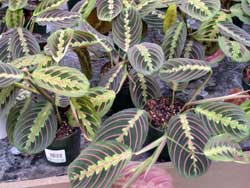
    (Маранта, Maranta, Prayer Plant)
     100-1000
     (Ming Aralia, Polyscias fruticosa)  500-2000
    (Nephthytis, Сингониум)  100-1000
     (Norfolk Island Pine, Araucaria heterophylla, Араукария разнолистная)  500-2000
    Արմավենիներ
    (Palms, Пальмы)
     100-1000
    Պեպերոմիա
    (Peperomia, Пеперомия)
     100-1000
    Ֆիլոդենդրոն
    (Philodendron, Филодендрон)
     100-1000
    Պիլեա
    (Pilea, Пилея)
     100-1000
    Պոդոկարպուս
    (Podocarpus, Подокарп)
     500-2000
    Պոթոս
    (Pothos, Потос)
     100-1000
    Ֆիկուս կաուչուկաբեր
    (Rubber Plant, Ficus elastica, Фикус каучуконосный)
     100-1000
    Սանսեվյերա
    (Sansevieria, Сансевиерия)
     100-1000
    Շեֆլերա
    (Schefflera, Шеффлера)
     500-2000
    Սցինդապսուս
    (Scindapsus, Сциндапсус)
     100-1000
    Սպաթիֆիլում
    (Spath, Spathiphyllum, Спатифиллум)
     50-500
    Քլորոֆիտում
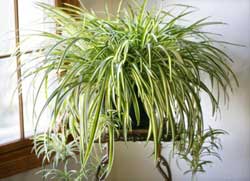
    (Spider Plant, Chlorophytum comosum)
     100-1000
    Հսկա Յուկա (Spineless Yucca, Yucca gigantea, Юкка гигантская)  500-2000
    Սուկուլենտներ և կակտուսներ
    (succulents & cactus, суккуленты и кактусы)
     500-2000
     (Tiger Jaws, Faucaria tigrina)  500-2000
    Տրադեսկանցիա զեբրինա
    (Wandering Jew)
     100-1000
     (Zebra Plant, Aphelandra squarrosa)  500-2000


    Մեկ այլ աղյուսակ, ուր նշված են բույսերի աճի համար լավագույն լուսավորության տիրույթները:

    Բույսը Լուսավորու-թյունը  [լք]
    Агавовые (агава, бокарнея, кордилина, драцена) 2600-3000
    Аизооновые (делосперма, литопс, конофитум, фаукария) 3000-3900
    Акантовые (афеландра, кроссандра, фиттония, гипестес, пахистахис) 2600-3000
    Амариллисовые (амариллис, кливия, гемантус, гиппеаструм) 4000-6000
    Аралиевые (дизиготека, фатсхедера, фатсия, плющ, полисциас) 2500-2700
    Ароидные (аглаонема, алоказия, диффенбахия, монстера, филодендрон, спатифиллум) 2500-2700
    Банановые (банан, геликония, стрелиция) 4000-6000
    Бегонии 3000-3900
    Бигнониевые (кампсис, жаккаранда, пандорея, текома) 4000-6000
    Бобовые (акация, альбиция, кассия, ракитник, мимоза) 4000-6000
    Бромелиевые (ананас, бильбергия, гузмания, криптантус, эхмея) 2600-3000
    Вербеновые (кариоптерис, дуранта, клеродендрум, лантана) 3000-3900
    Հավամրգազգիներ [азалия, Հավամրգի (вереск), пернеттия] 4000-6000
    Виноградовые (ампелопсис, циссус, тетрастигма) 2500-2700
    Геснериевые (гипоцирта, эписция, стрептокарпус, сенполия) 2600-3000
    Նռնազգիներ [Նռնենի (гранат)] 4000-6000
    Губоцветные (колеус, плектрантус) 2500-2700
    Кактусы (за исключением эпифитных) 6000-7800
    Камнеломковые (камнеломка, толмия, корокия) 3000-3900
    Коммелиновые (дихоризандра, каллизия, традесканция, рео) 2500-2700
    Кутровые (адениум, алламанда, катарантус, олеандр, пахиподиум) 6000-7800
    Ластовневые (хойя, церопегия, стапелия, дисхидия) 4000-6000
    Мальвовые (абутилон, анизодонтея, гибискус, павония) 3000-3900
    Марантовые (калатея, маранта, строманта) 2500-2700
    Мареновые (гардения, иксора, пентас, копросма, серисса) 3000-3900
    Маслинные (маслина, жасмин, османтус) 6000-7800
    Меластомовые (центрадения, мединилла, бертолония) 3000-3900
    Миртовые (мирт, метросидерос, каллистемон, эвкалипт, лептоспермум) 6000-7800
    Молочайные (акалифа, кодиеум, молочай, ятрофа) 2600-3000
    Норичниковые (кальцеолярия, хебе, родохитон) 3000-3900
    Ночецветные (бугенвиллея) 6000-7800
    Орхидные 4000-6000
    Пальмовые (хамедорея, кариота, ховея, ливистона, финик) 3000-3900
    Ձարխոտեր 2500-2700
    Пасленовые (броваллия, брунфельсия, дурман, паслен) 3000-3900
    Пеларгониевые (пеларгония) 4000-6000
    Перечные (пеперомия, перец) 3000-3900
    Վարդազգիներ (Վարդ) 6000-7800
    Рутовые (хоизия, цитрусы, скиммия, муррайя) 6000-7800
    Սագոենազգիներ (Սագոենի, замия) 3000-3900
    Բարդածաղկավորներ (гербера, Քրիզանթեմ, микания) 4000-6000
    Стеркулиевые (брахихитон, фремонтодендрон) 4000-6000
    Չարչարազգիներ [Պասիֆլորա (пассифлора)] 6000-7800
    Թանձրատերևուկազգիներ [Թանձրատերևուկ (Крассула), эониум, Կալանխոե, пахифитум, очитник, эчеверия] 4000-6000
    Թթազգիներ [Ֆիկուս, Թուզ, дорстения] 2600-3000
    Թեյազգիներ [Կամելիա (камелия), клейра] 3000-3900
    Էպիֆիտ կակտուսներ (Эпифитные кактусы) [Էպիֆիլում (эпифиллум), Շլումբերգերա (шлюмбергера), хатиора, рипсалис)] 3000-3900

  • Փշատենի

    Փշատենին  (անգլ.՝ Silverberry, ռուս.՝ Лох, լատ.՝ Elaeagnus), փշատազգիների ընտանիքի մշտադալար կամ տերևաթափ ծառ է կամ թուփ։
    Ботаническое название: Лох узколистный (Elaeagnus angustifolia), род Лох, семейство Лоховые.
    Родина лоха узколистного: Китай, Северная Америка.
    Освещение: светолюбив.
    Почва: к почве не требователен.
    Полив: умеренный.
    Максимальная высота дерева: 10 м.
    Средняя продолжительность жизни: 60 лет.
    Посадка: семенами, черенками, отводками.

    Лох узколистный: уход и размножение.

    Лох узколистный – это листопадный кустарник или невысокое раскидистое деревце с колючими побегами, принадлежащее к одноименному семейству. Его ареал обитания охватывает восточную часть Северного Кавказа, Закавказье, Казахстан,
    Среднюю Азию, Южную Европу, Малую Азию, Иран и Северный Китай. В природе лох узколистный обитает в поймах рек, пересекающих пустынную и полупустынную местность. Вместе с ивой, тамариском, облепихой, тополем и некоторыми другими растениями он образует так называемые тугаи – леса, живущие в условиях пустыни за счет водонасыщенности пойменных почвогрунтов. Корневая система лоха мощная, сильно разветвленная, поэтому растение широко используется для формирования защитных лесополос и насаждений, закрепляющих склоны.
    Как и другие обитатели пустынь, лох узколистный чрезвычайно толерантен к абиотическим факторам среды – температуре, влажности почв и воздуха, загазованности, почвенному плодородию, качеству вод и пр. Он хорошо переносит условия города – загазованность и задымленность, – поэтому его можно высаживать вдоль транспортных магистралей. Засухо- и жароустойчив, поэтому способен обходиться без дополнительного увлажнения даже летом в сухих южных регионах. Вместе с тем, переносит и низкие температуры, благополучно зимует без укрытия (лишь изредка подмерзают кончики побегов) в средней полосе России и более северных регионах (относится к 4 зоне зимостойкости). Одно «но»: при ранней осени невызревший прирост подмерзает. Лох узколистный способен расти на засоленных почвах. В Крыму, например, он распространился на крайнем западе и севере, а также на побережье Керченского полуострова, где почвы и грунтовые воды отличаются высоким содержанием солей.
    В настоящих лоховых тугаях растение чрезвычайно декоративно за счет густого серебристо-белого опушения, покрывающего ветки, листья и плоды. В культуре можно добиться такого эффекта, если воссоздать природные условия, неотъемлемые составляющие которых – обилие солнца и достаточное количество влаги. Избыточного увлажнения следует избегать; субстрат должен быть хорошо дренированным. Несмотря на высокую экологическую пластичность, лох узколистный требователен к одному фактору – освещению. Даже полутень для него нежелательна, поскольку при малейшем недостатке света растение слабеет и теряет декоративные свойства.
    Лох узколистный хорошо переносит даже радикальную стрижку, при обрезке «на пень» формируется обильная поросль, благодаря чему растение широко используется для создания живых изгородей. Растет лох быстро, особенно в первые годы жизни.
    Растение легко размножается вегетативным способом – черенками и отводками, возобновляется порослью. Для летнего черенкования (начало июля) используют побеги длиной около 10 см. Часть побега должна быть зеленой, часть одревесневшей (соотношение примерно 2:1). Нижние листья удаляют, оставляя 3 листа. Материал обрабатывают стимулятором роста, высаживают в песок, заглубляя до листьев, накрывают посадки пленкой, притеняют, регулярно поливают и проветривают. Также используют зеленые и одревесневшие черенки, но описанный способ считается наиболее эффективным.
    Отводки делают весной и осенью, но лучше весной, до того как распустятся почки. Для этого отбираются хорошо развитые наружные побеги, идущие от основания куста. Их укладывают в борозды (глубина – до 10 см) и плотно прижимают к почве с помощью деревянных шпилек. Затем засыпают 20 см слоем почвосмеси, состоящей из перегноя, торфа и речного песка (пропорция – 1:1:1), и хорошо поливают. Прикопку нужно регулярно увлажнять и очищать от сорняков. Укоренение занимает 1 – 2 года.
    Размножают лох узколистный и семенами. Они сохраняют всхожесть в течение 3 – 4 лет и прорастают без стратификации. При весеннем посеве основная часть семян дает всходы только на следующий год. А для того чтобы ускорить процесс, их замачивают в воде на 4 суток и затем выдерживают до 3 месяцев во влажном песке или торфе при температуре от 16 до 20 °C, либо стратифицируют 3 месяца в песке или торфе при температуре 1 – 10 °C. Наилучший результат дает осенний посев свежесобранных, очищенных семян. Глубина заделки – до 3 см.
    Лох узколистный устойчив к патогенам. Даже те экземпляры, которые растут на обочинах дорог, на скудных засоленных почвах, в тени и прочих неблагоприятных условиях, крайне редко болеют и поражаются вредителями. Это одно из самых неприхотливых и беспроблемных растений, используемых в озеленении. Вместе с тем, лох узколистный очень декоративен. Он прекрасно сочетается с лиственными и хвойными породами, хорошо смотрится и в моновидовых посадках. Его используют для создания контрастных групп, которые удачно гармонируют с темной зеленью других древесных пород, а также с золотистыми и краснолистными формами кустарников.
    Продолжительность жизни этого неприхотливого растения довольно велика. В Крыму, например, встречаются экземпляры в возрасте около 100 лет, находящиеся в прекрасном состоянии. Так что при правильном уходе лох узколистный на протяжении многих лет будет украшать участок..
    Источник: http://indasad.ru/derevya-i-kustarniki/2501-loch-uzkolistniy-uchod-i-razmnozhenie

    Աճեցման պայմանները
    Հողի պահանջվող բերրիությունը՝ Բարձր
    Միջին
    Ցածր
    Լուսավորությունը՝ արևի տակ
    պայծառ, ցրված
    կիսաստվեր
    ստվեր
    Ջրելը ամռանը՝ առատ
    չափավոր
    քիչ
    Ջրելը ձմռանը՝ առատ
    չափավոր
    քիչ
    Օդի խոնավությունը բարձր՝ >60%
    նորմալ՝ 30% – 60%
    ցածր՝ <30%
    Օդի ջերմաստիճանը ամռանը՝
    Օդի ջերմաստիճանը ձմռանը՝
    Հղումներ
  • Հինգ բույսեր, որոնք հարմար են մանկական սենյակում աճեցնելու համար

    1. Հինածաղիկ (Impatiens, Бальзамин)

    Պարտեզի ամենատոկուն ծաղիկներից մեկը՝ Ուոլերի Հինածաղիկը, շատերին է ծանոթ որպես տարածված սենյակային բույս: Հինածաղկի գեղեցկությունը չի զիջում նրա տոկունությանը, իսկ խնամքի դյուրինությունը նպաստում է լայնորեն տարածվելուն:

    2. Կալանխոե (Kalanchoe, Каланхоэ)

    Մանկական սենյակի պայծառ զարդ կարող է դառնալ կալանխոեն, որը հայտնի է իր տեսակների բազմազանությամբ և հրաշալի ծաղկման ձևերով:

    Այս սուկուլենտ բույսի շատ տեսակներ աճեցվում են զուտ գեղեցիկ, թանձր, ատամնավոր տերևներ ունենալու համար, բայց կան տեսակներ, որոնք շլացնում են իրենց անդուլորեն ծաղկող ծաղկաբույլերով:

    Աճեցնելը հեշտ է, լավ է տանում ցրված լուսավորությունը, հեշտ է հարմարվում նոր տեղին:

    Կարդալ Կալանխոեի մասին ==>
    Գնել Կալանխոե ==>

    3. Քլորոֆիտում (ChlorophytumХлорофитум)

    Սաղարթավոր զարդաբույսերից լավագույն թեկնածուն արագաճ Քլորոֆիտումն է:

    Խնամելը շատ հեշտ է՝ ցրված լույս, ոչ առատ ջրարբիացում, նվազագույն լրացուցիչ սնուցում է պահանջում:

    Կարդալ Քլորոֆիտումի մասին ==>
    Գնել Քլորոֆիտում ==>

    4. Աֆրիկյան մանուշակ (African violet, Saintpaulia, Сенполия)

    Շատ հեշտ աճեցվող, փոքրիկ ու շատ գեղեցիկ ծաղկող բույս է Աֆրիկյան մանուշակը: Թավշյա փոքրիկ տերևները հաճելի է շոշափել:  Այդ նույն տերևներով շատ հեշտ է բազմացնել բույսը և սենյակը լցնել ծաղկող բույսի հմայքով:

    5. Բաղրջուկ (Չինական վարդ, Hibiscus, Гибискус)

    Սենյակային խոշոր բույսերից, մանկական սենյակի համար ամենահարմարը Չինական վարդն է: Չինական վարդի հազարից ավելի տեսակներ կան այժմ, որոնք աճում և գեղեցկացնում են թե՛ սենյակները, թե՛ պարտեզներն ու փողոցները:

    Չինական վարդը լավ ազդեցություն ունի սենյակի օդի վրա: Որպեսզի Չինական վարդը իրեն հարմարավետ զգա և այն տարեց-տարի ծաղկի, պետք է տեղադրել ծառը լուսավոր տեղում, ձմռանը տերևները հաճախակի ցողել ջրով իսկ ամռանը առատ ջրել և լրացուցիչ սնուցում տալ: Ծաղկման շրջանի ավարտից հետո Չինական վարդի երկարած ճյուղերը պետք է կարճեցնել:

    Կարդալ Բաղրջուկի մասին ==>
    Գնել Բաղրջուկ ==>

    Բացի վերը թվարկվածներից ուշադրության են արժանի նաև հետևյալ բույսերը՝

  • Շլումբերգերա

    Շլումբերգերան (անգլ.՝ Christmas cactus, լատ.՝ Schlumbergera, ռուս.՝ Шлюмбергера, Декабрист)
    Դժվար է հավատալ, բայց կակտուսներ կան, որոնք փշեր չունեն, սիրում են խոնավություն, վախենում են կզիչ արևից և հաճախ դեկտեմբերիկ (декабрист) են կոչվում, քանի որ ծաղկում են դեկտեմբերին։ Շլումբերգերայի հայրենիքը Հարավային Ամերիկան է։ Այնտեղ այն աճում է արևադարձային անտառներում՝ ծառերի ճյուղերի վրա, այսինքն էպիֆիտ բույս է։

    Շլումբերգերայի առանձնահակությունները

    • Շլումբերգերան իրեն լավ չի զգում հարավային և արևմտյան պատուհանագոգերին, քանի որ ինտենսիվ լուսավորությունը կարող է հանգեցնել բույսի տերևների վերջնահատվածների մահվանը:
    • Ամռանը, շլումբերգերան, ավելի շատ քան այլ սենյակային բույսերը, կարիք ունի մաքուր օդի։ Լավ կլինի տեղափոխել պատշգամբ կամ այգի՝ որևէ ստվերված տեղ:
    • Շոգ եղանակին շլումբերգերան սիրում է ցնցուղ ընդունել, բայց եթե դա հնարավոր չէ, ապա գոնե ժամանակ առ ժամանակ պետք է ցողել այն:
    • Շլումբերգերան երկարակյաց է։ Լավ խնամքի դեպքում, այն կարող է ծաղկել 15-20 տարի։
    • Շլումբերգերան քմահաճ է։ Բողբոջելու և ծաղկման շրջանում չի կարելի բույսը տեղաշարժել և նույնիսկ պտտել։
    • Շլումբերգերան կարող է աճել ինչպես սովորական ծաղկամանում, այնպես էլ կախովի՝ որպես ամպելային բույս։

    Уход за декабристом в домашних условиях

    Как ухаживать за декабристом.

    Агротехника зигокактуса декабриста прямо противоположна агротехнике собственно кактусов, их требования по большей части совпадают с условиями выращивания обычных, лиственных комнатных растений. Если кактус можно забыть полить, и он от этого не очень пострадает, то декабрист нуждается в регулярном поливе отстоянной нехолодной водой и повышенной влажности воздуха, которая достигается регулярным опрыскиванием или помещением горшка с декабристом на поддон с мокрой галькой. Кактусы прекрасно переносят солнце, а декабрист страдает от прямых солнечных лучей и требует притенения. Что касается температуры воздуха, то декабрист в этом вопросе некапризен. С марта декабрист нуждается в ежемесячной подкормкекомплексным удобрением для цветов, но дозу нужно брать в два раза меньше, чем предлагается изготовителями. Летом, когда начинается интенсивный рост стеблей, подкармливать растение нужно два раза в месяц, а с сентября подкормку прекратить. Не помешает растению и профилактическая обработка фунгицидами.

    Ինչպես էտել շլումբերգերան

    Обрезку декабриста производят в июне, причем лишнюю часть побега не срезают, а откручивают вручную, придавая растению красивую форму, укорачивая побеги, растущие неправильно. Сформированные таким образом растения имеют привлекательный вид и обильней цветут.

    Ինչպես տեղափոխել շլումբերգերան

    Пересадка декабриста производится после цветения, в самом конце февраля. Молодые растения пересаживают ежегодно, взрослые – раз в 4-5 лет. Горшок для растения выбирайте широкий и невысокий, поскольку корневая система у декабриста поверхностная. Дренажный слой должен заполнять горшок на треть. Что касается почвы, то подойдет магазинный грунт для кактусов, но можно сделать грунт и самостоятельно: смешайте по одной части дерновой земли и песка и две части листовой земли, для дезинфекции добавьте толченого угля, а для лучшей водопроницаемости – кирпичную крошку или керамзит. Почва для декабриста должна быть слабокислой.

    Շլումբերգերայի բազմացումը

    Ответ на вопрос «как размножить декабрист?» очень простой: вегетативно, путем черенкования. От побега откручивают 2-3 крайних «звена», подсушивают их несколько дней, затем высаживают во влажную почву и накрывают стеклянной банкой или пластиковой бутылкой, чтобы создать парниковый эффект. Емкость помещают в тени и регулярно проветривают. Оптимальная температура для укоренения черенков декабриста 15-20 ºC. Часто размножают рождественник в домашних условиях сразу после его обрезки, поскольку в результате формирования куста остается готовый материал для черенкования.

    Շլումբերգերայի վնասատուներն ու հիվանդությունները

    Враги декабриста.

    Досаждают декабристу грибковые заболевания и насекомые. Фузариоз, фитиум и фитофтора – грибковые болезни, возбудители которых проникают в растение из зараженной почвы, и в первую очередь страдает от них корневая шейка растения. В результате цветок становится бледным, серым, теряет сегменты и вянет во влажной почве. Фузариоз лечится фунгицидами, а фитиум и фитофтора – препаратами «Максим», « Топаз», «Витарос».
    Если растение покрылось ржавым налетом, то, скорее всего, его поразил паутинный клещ – мелкие точечные насекомые коричневого, желтого или красноватого цвета, которые появляются на растении в условиях недостаточной влажности воздуха. Избавиться от клеща помогут препараты «Актеллик», «Фитоверм» или «Неорон». Внезапно появившиеся между побегами беловатые комочки, похожие на вату – следы жизнедеятельности мучнистых червецов, обезвредить которых можно при помощи «Актары».

    Ինչո՞ւ է շլումբերգերան թոշնում

    Շլումբերգերան թոշնում է ֆիտոֆտորայով կամ ֆիտիումով հիվանդանալու դեպքում։ Արմատների հիվանդանալն էլ կարող է պատճառ դառնալ։ Սառը ջրով, սառը սենյակում ջրելը, կամ հողախառնուրդի չափից շատ տաքանալը արևի տակ, կարող են արմատների մահվան պատճառ դառնալ։ Պարարտանյութի սխալ, չափաբաժնից շատ կիրառումը նույնպես կարող է “այրել” արմատները։

    Ինչո՞ւ շլումբերգերան չի ծաղկում

    Բույսը պետք է “զգա” որ եկել է ծաղկելու ժամանակը։ Այդ նպատակով, սեպտեմբերի վերջից մինչև նոյեմբերի վերջ շլումբերգերային տեղափոխում են չջեռուցվող սենյակ, կրճատում են ջրելը և դադարեցնում են պարարտացնելը։ Դեկտեմբերի սկզբին բույսին արթնացնում են՝ տեղափոխում են լուսավոր, տաք սենյակ և սկսում են ջրել։ Ծաղկամանը պետք է պարբերաբար պտտել, որպեսզի բույսը բոլոր կողմերով, հավասարապես լուսավորվի։ Հենց սկսեն ձևավորվել բողբոջները, պետք է հետևել, որպեսզի ծաղկամանի հողը միշտ խոնավ լինի և ծաղկամանին այլևս տեղաշարժող չլինի։ Հակառակ դեպքում բույսը կարող է թափել բողբոջները։

    Ծաղկման շրջանից հետո

    Ծաղկման շրջանի ավարտվելուց հետո, սկսվում է բույսի հանգստի շրջանը։ Շլումբերգերան մինչև մարտ ամսվա վերջը, տեղափոխում են պաղ սենյակ և աստճանաբար քչացնում են ջրելը։ Մարտի վերջին սկսվում է բույսի նոր վեգետացիոն շրջանը, ուստի այն վերադարձնում են իր սովորական տեղը, ավելացնում են ջրելը և սկսում են պարարտացնել։

    Հղումներ
  • Ծոփոր

    Ծոփորը (Մոնստերա, անգլ․՝ Monstera, ռուս.՝ Монстера, լատ.՝ Monstéra) պատկանում է նվիկազգիների ընտանիքին: Հայրենիքը Արևելյան Հնդկաստանն է և արևադարձային Ամերիկան: Ամենատարածված և գեղեցիկ սենյակային բույսերից է: Ունի մոտավորապես 220 տեսակ:

    Մոնստերան մշտադալար բազմամյա լիանա  է: Ունի խոշոր, փայլուն և կաշենման ծածկույթով տերևներ: Նոր աճած տերևները սովորաբար ամբողջական են և սրտաձև, իսկ հետագայում առաջացողները կրում են խոշոր անցքեր կամ ուենենում են  խորը կտրվածքներ, իսկ չափերով կարող են հասնել մինչև մեկ մետրի:

    Յուրաքանչյուր նոր աճած տերևի հակառակ կողմից աճում և և դեպի ներքև են իջնում բաց դեղնականաչավուն օդային արմատներ, որոնք մտնելով հողի մեջ՝ օժանդակում են բույսի զարգացմանը: Իր հայրենքիում  այդ բույսը փաթաթվում ու  մագլցում է ծառերի վրա՝  հասնելով մինչև 20 մ:  Ունի պտուղներ, որոնք համեղ են և տեղացիների կողմից օգտագործվում են:  

    Մեզ մոտ՝ բարեխառն գոտում, ծոփորը շատ հազվադեպ է ծաղկում:

    Ծոփորը պահանջկոտ չէ պայմանների նկատմամբ, բայց սիրում է օդի խոնավություն. չոր օդում օդային արմատները դադարում են աճել: Որպեսզի աճը չկանգնի, պետք է առատորեն ջրել:

    Ձմռանը համեմատաբար պետք է պակասեցնել ջրելը, բայց հողը չի կարելի չոր թողնել:  

    Ծոփորի տերևները մի շատ հետաքրքիր հատկություն ունեն: Եթե խոնավությունը շատ է լինում, դրա ավելցուկը տերևն այսպես ասած վերարտադրում է. տերևի մակերեսով մեկ կուտակվելով՝ խոնավությունը հոսում է դեպի եզրերը և արցունքի ձևով կախվում. բույսը «արտասվում է»:  

    Ծոփորն ամեն տարի պետք է տեղափոխել նոր՝ քիչ ավելի մեծ ծաղկաման,  քանի որ այն արագ մեծանալու միտում ունի:

    Խորհուրդ է տրվում տարեկան  մի քանի անգամ սնուցել գոմաղբահեղուկով: Իսկ լավ զարգանալու համար պետք է տարածություն ապահովել:

    Սենյակի ջերմաստիճանը պետք է լինի +16 աստիճանից ոչ ցածր, հակառակ դեպքում բույսի աճը կկանգնի: Բույսը չի կարելի դնել արևի ուղիղ ճառագայթների հարվածի տակ, սակայն դա չի նշանակում, որ պետք է դնել ստվերում: Ծոփորին պետք  է դնել սենյակի  լուսավոր հատվածներում:  

    Քանի որ ծոփորը մեծ տեղ է զբաղեցնում և ունի հսկայական տերևներ, մեծահասակ բույսերին խորհուրդ չի տրվում պահել այն սենյակներում, որտեղ մարդիկ քնում են, քանի որ մեծ տերևները արտադրում են մեծ ծավալի ածխաթթու գազ:

    Բազմացվում է ցողունային կտրոններով, իսկ որոշ տեսակներ՝ նաև արմատածիլներով: Բազմացումը կարելի է կատարել նաև բույսի վերին մասում գտնվող տերևի կտրոնով: Տերևը վերցնում են մի քանի օդային արմատներով, որոնք նախօրոք փաթաթում են մամուռով լի մառլյայի մի կտորի մեջ և մամուռը խոնավ պահելով՝ ստիպելով, որ արմատիկները զարգանան:

    Աղբյուր` www.ankakh.com

    Հղումներ
  • Մարանտա

    Մարանտաները (լատ․՝ Maranta) բազմամյա բույսեր են, երկար ուղիղ ցողուններով, կծիկաձև արմատներով: Տերևները ուղիղ նշտարաձև, երկարավուն էլիպսաձև, օվալաձև կլոր, կանաչ կամ գունավոր: Ծաղիկները սովորաբար սպիտակ են` հավաքված հասկանման բույլի մեջ:
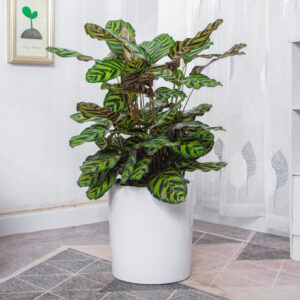
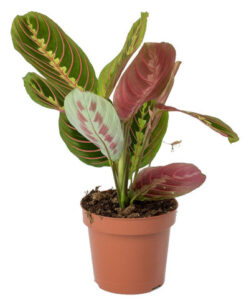
     
    Տարածված է  արևադարձային Ամերիկայում: Ընտանիքում կա  23-25 տեսակ, մեծ մասը դեկորատիվ տերևներով  բույսեր են: Աճում են  ջերմոցներում,   նաև բնակարաններում: Գիշերը մարանտայի տերևները բարձրանում են և շրջվում, այստեղից էլ առաջացել է նրանց հայտնի անգլիական անունը «Prayer Plant» («Աղոթող բույս»): Մարանտան կարելի է աճեցնել առանց արևի լույսի, օգտագործելով  հատուկ լամպեր օրը 16 ժամ:
     
    Մարանտայի  տեսակները
    • Arrowroot (լատ․՝ Maranta arundinacea L.) – Հավաք  թփեր են 0.6-1.2 մ. բարձրությամբ(ցողունները ձմռանը չորանում են), հաստ կծիկաձև արմատներով:  Տերևները ձվաձև-նշտարաձև են, 18-25 (30) սմ երկարությամբ և մինչև  10 սմ լայնությամբ, սրածայր, կլորացած հիմքի մոտ, վերևից և ներքևից թավշապատ, մուգ կանաչ, գորշակապույտ երանգով: Ծաղիկները սպիտակ են: Աճում է Կենտրոնական և Հարավային Ամերիկայի խոնավ արևադարձային անտառներում: Դեկորատիվ և սննդային բույս է (թփերը հարուստ են օսլայով), լայնորեն տարածված է  արևադարձային երկրների մշակույթում:   Աճում է  տաք  ջերմոցներում:
    • Prayer plant (Maranta leuconeura erythroneura) – Եռագույն մարանտան հայտնի է իր դեկորատիվ մուգ կանաչ, լավ ընդգծված, կարմիր երակներ ունեցող  տերևներով : Ծաղիկները անշուք են `բաց վարդագույն , ծաղկում են  տերևների արանքից գարնանը կամ ամռանը:  Տերևները օվալաձև են ,10-12սմ երկարությամբ, 5-6սմ լայնությամբ, մուգ  կանաչ, արտաքին կողմում լավ արտահայտված կարմիր երակներով, իսկ տերևի տակը վարդագույն է:
    • Maranta bicolor Ker-Gawl. (Calathea bicolor Steud.) – Երկգույն մարանտան կարճահասակ բույս է կծիկաձև արմատներով, ցողունը կարճ է : Տերևները մինչև 35սմ բարձրությամբ, օվալակլոր, 10-15սմ երկարությամբ և 6-10սմ լայնությամբ կամ  լայն էլիպսաձև ալիքավոր եզրերով: Տերևի  վերևը կանաչ, մուգ կանաչ կետերով կամ կենտրոնական երակի վրա մուգ դարչնագույն հետքերով , տակը` ալ կարմիր , տերևապատյանը`   թավշապատ: Ցողունը կարճ  է` 2.5 սմ երկարությամբ, կարմրավուն: Հանդիպում է Բրազիլիայի արևադարձային խոնավ անտառներում, դեկորատիվ տեսք ունի, աճեցնում են տաք ջերմոցներում  և բնակարաններում:
    • Maranta leuconeura E. Morr. – Սպիտակաերակ մարանտա: Կարճ ցողունով`25-30սմ,կծիկաձև արմատներով Տերևները էլիպսաձև-կլորավուն`10-15սմ երկ.և 5-9սմ լայն., հիմքի մոտ սրտսձև, երեսը մուգ կանաչ` արծաթագույն միջնագծով և արծաթա-սպիտակ կողքի երակներով, տակը`գորշականաչավուն և կարմրավուն: Հանդիպում է Բրազիլիայի արևադարձային խոնավ անտառներում, դեկորատիվ տեսք ունի, աճեցնում են տաք ջերմոցներում  և բնակարաններում, ունի մի քանի տեսակ:
    • Maranta leuconeura var. kerchoveana E. Morr. – Խոշոր , մուգ կանաչավուն տերևներով, վերին մասում մուգ կանաչ , կողքերը միջին 4-5 հատ մուգ կանաչ հետքերով և սպիտակ բծերով երակներ, տակը` գորշականաչ:  Բրազիլիա:
    Arrowroot
    Arrowroot
    Prayer plant
    Prayer plant
     
    Բույսը կարիք ունի ստվերի, ամռանը լավագույն ջերմաստիճանը  22-24° С, ձմռանը` 18-20° С. Լույսի  պակասության ժամանակ մարանտայի  տերևները ձգվում են ուղղահայաց վեր: Նորմալ լույսի դեպքում հորիզոնական դիրքում են: Փոթորկից մի քանի ժամ առաջ տերևները բարձրանում են ուղղահայաց:
     
    Լուսավորությունը: Կիսաստվեր
    Ջրելը: Տնային ջերմաստիճանի փափուկ  ջրով, հողը միշտ խոնավ պետք է լինի, սակայն ջրի ավելցուկ չի կարելի թողնել թաղարում:
     
    Օդի խոնավությունը: Բույսը  հաճախակի  պետք է ցողել, խուսափելու  համար   տերևների վրա լաքաներից: երբեմն  խոնավությունը բարձրացնելու համար  բույսը դնում են  ջրով խորը ամանի մեջ:
    Խնամքը: Ամառը երկու շաբաթը մեկ, ձմռանը ամիսը մեկ մարանտան պետք է պարարտացնել: Ձմռանը հանգստի շրջան է և նա կորցնում է տերևների մի մասը, այդ ժամանակ քիչ են ջրում:
    Բազմացումը: Մարանտաները  բազմացնում են բաժանման միջոցով փետրվար-մարտ ամիսներին: Բազմացնում են նաև կտրոններով: Կտրոններն արագ են արմատակալում հատուկ արկղերում 20-24° ջերմաստիճանում: Մարանտաների համար ջերմոցի ջերմաստիճանը ձմռանը պետք է լինի գիշերը 18°  և ցերեկը 20° :
    Տեղափոխումը: Երկու տարին մեկ գարնանը: Մարանտան տեղադրում են  մեծ ամանի մեջ` լավ դրենաժով :
     
    Հնարավոր դժվարությունները: Տերևների ծայրերը շագանակգույն են և չոր :Աճը դանդաղ է:  Պատճառը չափազանց չոր օդն է: Ստուգեք  , վարակված չէ՞ արդյոք բույսը ոստայնատիզով: Հեռացրեք մեռած տերևները և պարբերաբար ցողեք բույսը: Տերևները շրջվում են և ծածկվում լաքաներով: Պատճառը  խոնավության պակասն է : Հողը հարկավոր է խոնավ պահել և թույլ չտալ այն չորանա ջրումների արանքում:
     
    Տերևները թափվում են: Պատճառը  շատ չոր օդն է , բույսը պահանջկոտ է խոնավ օդի նկատմամբ :
    Թառամած և փթող ցողուններ: Պատճառը  ցուրտ օդն է և  հողի չափազանց թացությունը ձմռանը:
    Տերևները կորցնում են գույները և չորանում: Պատճառը  շատ պայծառ լույսն է , հատկապես ուղիղ արևի ճառագայթներն անթույլատրելի են : Բույսը պետք  է անմիջապես տեղափոխել:
    Օգտակար հատկությունները: Մարանտան  պահպանում է մարդուն  մրսածությունից, և այն բոլոր հիվանդություններից,որոնք կապված են մրսածության հետ: Մարանտան  նպաստում է  տրոմբի ներծծմանը  անոթների մեջ:
     
    Տան միջավայրի վրա ազդեցությունը: Եռագույն  մարանտան  այնքան արտասովոր է, որ ավելի շատ նման է բեղավոր կենդանու քան բույսի: Նրա  թավշյա կանաչ  տերևների վրա հստակ երևում են կարմիր երակներ` բեղիկներ, իսկ տերևի մեջտեղը պատված է դեղին լաքաներով:  Մարանտան հարկավոր է  տեղադրել աղմկոտ ,պայծառ և մեծ հնարավորությոններ ունեցող մարդկանց միջավայրում: Տանը կարելի պահել մարանտան,եթե տան անդամները գործնական են և տան կյանքը ակտիվ է: Մարանտան կարծես թե ամեն մարդու համար առանձին միջանցք է բացում `ապահովագրելով նրանց վեճերից:   Չնայած մարանտան պատկանում է օդային նշանին , բայց նա ունի կրակի բնավորություն: Դրանով նա կլանում է  ագրեսիվ էներգիան:
     
    Ազդեցությունը զգացմունքային վիճակի վրա: Այս բույսի տերևները գիշերը բարձրանում և շրջվում են «զգաստ», և այս  անսովոր պահվածքի մեջ թաքնված է  նրա հատկություններից մեկը:  Մարանտան իր ներկայությամբ հանգստացնում է տնեցիներին երեկոյան, և գիշերը: Այս բույսը նպաստավոր է պահել այնտեղ, ով ունի անքնություն, ով երեկոյան գրգռված վիճակում է  և ցանկանում է  երեկոյան աշխատել:
    Ի տարբերություն այլ բույսերի մարանտայի տերները արևից խամրում են :  Մարանտան ստեղծված է այն մարդկանց համար, ովքեր տարբեր գործեր են ձեռնարկում, բայց չեն գտնում իրենց հոգեհարազատ գործը: Մարանտան օգնում է մարդուն որոշ ժամանակ ձեռնպահ մնալ առօրյա գործերից, որպեսզի ինքն իր մեջ որոշի ինչն է իրականում իր սրտին մոտ և որտեղ կարող է  իր հնարավորությունները դրսևորել: Այս հատկությամբ մարանտան օգնում է հիասթափված մարդկանց:
     
    Ազդեցությունը առողջության վրա: Մարանտան մեզ պահպանում է  մրսածությունից և այն բոլոր հիվանդություններից, որոնք կապված են մրսածության հետ: Բայց Ջրհոսի նշանը, ինչին պատկանում է մարանտան, կարգավորում է  անոթային համակարգը  և մարանտայի ներկայությունը ձեր տանը նպաստում է  անոթների մեջ տրոմբերի ներծծմանը :
     
    Աղբյուր` www.ankakh.com

    Հղումներ